

Facts and myths about wifi
Wi-Fi technology has been with us for more than 20 years. Initially, many people approached with great disbelief the emerging information, which indicated that soon surfing the Internet would be possible without having to attach a cable to our device.
Is 5ghz wifi really faster than 2.4ghz?
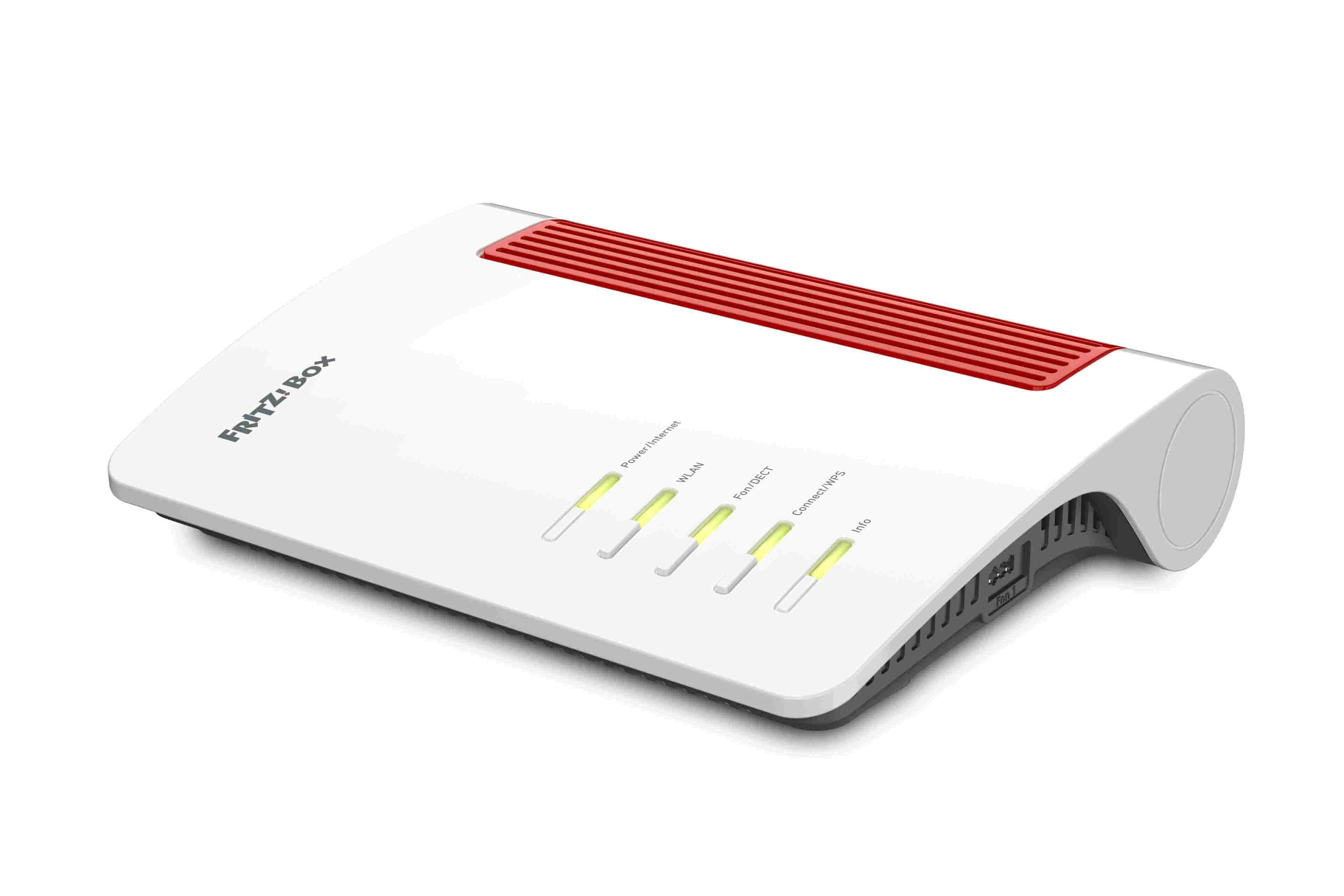
Let's start by clarifying that such a thing as wifi 5g does not exist. 5G and 5 GHz abbreviations look similar. 5G is short for "5th generation" mobile communications standard. 5 GHz is the radio frequency of WiFi routers. Most people today can't imagine life without Wi-Fi connectivity. With this technology, you can use wireless Internet on your computer, tablet or smartphone. Let's start by clarifying that such a thing as wifi 5g does not exist. 2 4 ghz wifi frequency is pretty crowded. It is also used by other devices such as cordless phones, Bluetooth devices or even microwaves. This can cause significant speed drops and sometimes even complete signal blockage. The wifi version of 5ghz is much me used, thus the connection will be more stable and the speed faster. The role of the main argument in the "2 GHz vs 5 GHz router" dispute is usually played by Internet speed. The 2.4 GHz frequency, under ideal conditions, allows transfer speeds of up to 450 or 600 Mbps, while the 5 GHz band reaches up to 1300 Mbps. Router and wifi ap devices tailored to your needs can be found at: https://fritz-shop.eu/pol_m_FRITZ-Box-376.html.
Myth or truth: wifi 7 is the future of home networks?
In fact, meaningful data speeds for the home user were only introduced by the 802.11n standard, which according to the new nomenclature we call wifi 4. In theory, speeds as high as 600 Mbps were possible, but in most cases we used a single 40 MHz channel, which gave a very decent 150 Mbps. New generation of Wi-Fi 7 wireless technology brings many innovations over previous Wi-Fi generations. Above all, it will offer higher bandwidth, lower latency and better network performance. Wi-Fi 7, also known as 802.11be or IEEE 802.11be, is designed to offer faster and more reliable connections for all types of devices, including smartphones, laptops and smart home and IoT devices. Doubling data transmission performance. The network can be understood as a virtual highway. You can now simultaneously upload and download more data at the same time than was previously possible. Allows network traffic to flow smoothly even when there is a lot of interference, with a lot of home devices causing this interference it is the ideal wifi for the home. Take a look at other Wi-Fi 7 benefits on the site: https://fritz-shop.eu/Poznaj-zalety-nowego-standardu-Wi-Fi-7-blog-pol-1681888049.html
The biggest misconceptions about wifi - we debunk the myths!
Wi-Fi networks are a topic that causes a lot of myths and misunderstandings, especially among people who are not experts in the field. Here are the most common myths about Wi-Fi networks that are worth debunking:
- Wi-Fi will always be slower than a wired connection Myth: Wi-Fi connection is always slower than an Ethernet cable connection. Truth: Wi-Fi can offer speeds very close to a wired connection, especially with modern routers that support standards such as Wi-Fi 6 or Wi-Fi 7. Of course, cable connections will still be more stable and less susceptible to interference, but in many cases in provides sufficient speed for everyday use.
- The more devices, the worse Wi-Fi Myth: Connecting multiple devices to the same Wi-Fi network will always result in a significant speed loss. Truth: Although too many devices simultaneously using a single Wi-Fi network can affect performance, modern routers support more connections without large speed drops. Technologies like Wi-Fi 6 help you manage more devices with no apparent loss in performance. However, with heavy traffic (e.g. in an office), there may still be some delay.
- Wi-Fi is always safe if you have a strong password Myth: If you set a strong password on your Wi-Fi network, it is fully secure. Truth: While a strong password is key, it is not enough to ensure complete security. You should also enable additional security measures, such as WPA3 (the most secure encryption standard), keep your router software up-to-date and on other networks (such as a hotel hotspot) use a VPN to ensure greater privacy and security.
