

The benefits of using a VPN on a corporate network
Secure remote access to corporate resources
VPN technology uses the public Internet to link remote computers and networks together. Specialized protocols, the most popular of which are IPSec and WireGuard, as well as data encryption, allow the establishment of so-called tunnel connections, between communicating parties - no outside Internet user will gain access to the data transmitted in them.
Using a VPN from a single computer, connected to the Internet anywhere in the world, involves installing an additional client application (such as the free Shrew Soft VPN Client or WireGuard) and selecting a pre-configured connection to the company's network. Once the link is set up, all the resources of the remote network, such as network drives, servers and printers, become available just as if you were sitting in a remote office. A VPN connection can also be set up from a tablet or even a cell phone.
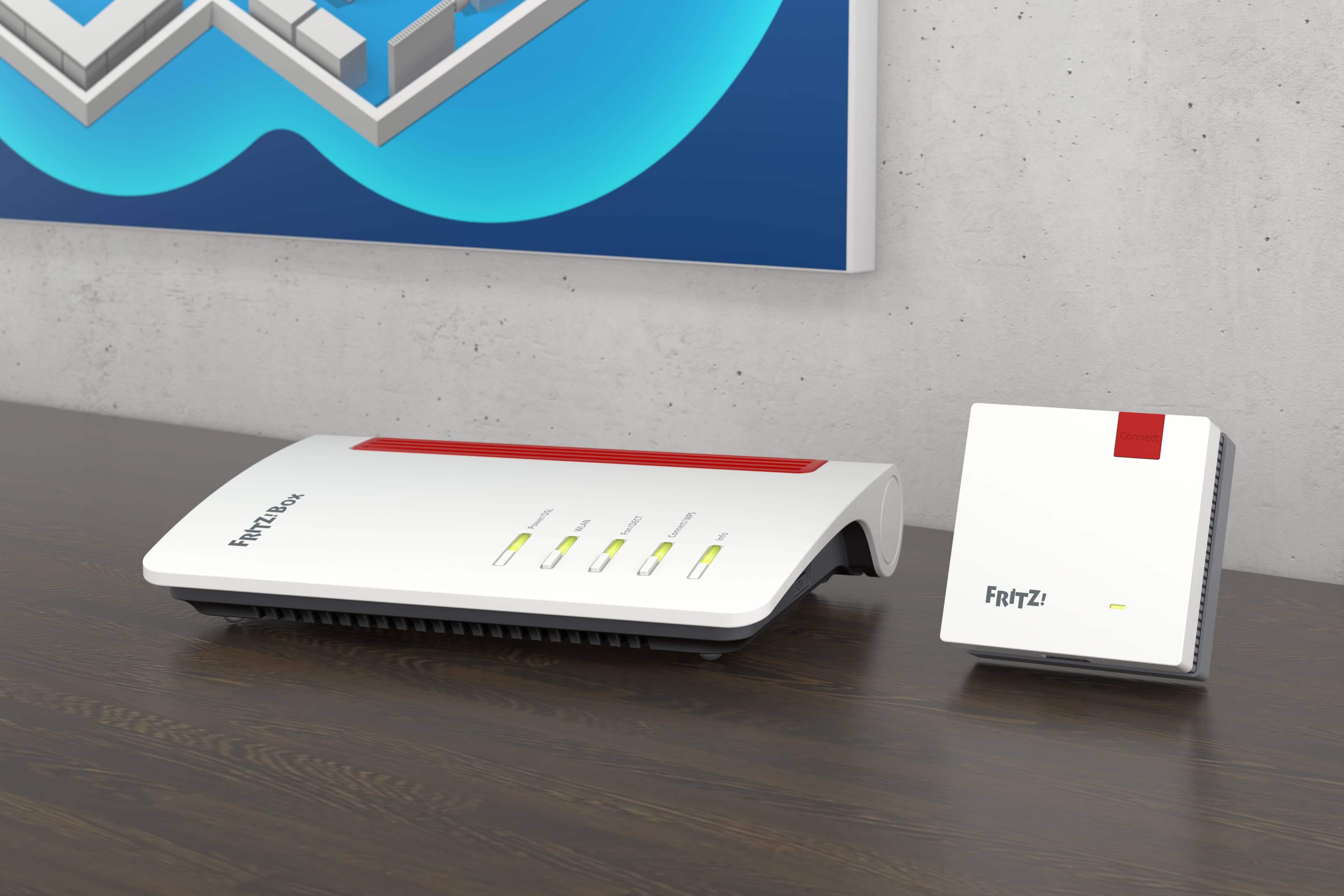
Using a VPN in two interconnected, remote networks is even easier because the tunnel link itself is set up by the routers that support the communication. A user of a computer plugged into one network simply has access to the resources of the other side of the connection as well. VPN configuration in implementation on FRITZ routers!Box is very easy and does not require specialized IT knowledge. How to set up a VPN on a router show friendly setup wizards that guide the user through the entire process.
Data encryption and protection from hackers
In VPN tunnel connections, protection from hackers is provided by advanced security key exchange mechanisms and strong encryption algorithms (AES in IPSec and ChaCha20 in WireGuard). With today's hardware capabilities, a properly configured VPN connection is impossible to infiltrate, and there are no officially confirmed, successful attempts to crack the algorithms known to exist. Also supporting the veracity of this thesis are the high-profile attempts by the U.S. government agency NSA to introduce deliberate flaws in VPN implementations of well-known manufacturers in order to facilitate its access to users' transmitted data.
Anonymity and privacy on the Internet
It should perhaps be clarified at this point that a VPN for businesses, whose main nodes are vPN routers FRITZ!Box, is something different from the commonly advertised VPN services. The purpose of building a virtual private network in a business environment is primarily for secure remote access: connecting remote computers to the corporate network or integrating entire remote segments of the network infrastructure into a logical and functional whole.
VPN-based services for individual users provide, as advertised, anonymity on the Internet or, more truthfully, a substitute for it. The solution is based on connecting a given user to a VPN server and routing all generated Internet traffic through it. A user masked in this way will identify himself on the network not with the IP address of his connection, but with the IP address of the VPN server, which may be located in another country. The services of some providers, which have extensive networks of VPN servers around the world, allow the user to choose an IP address in the country in which he or she wants to be virtually located at the moment, or choose a location at random, thus making it harder to track the user and increase online privacy.
A similar function can also be implemented on a VPN basis in FRITZ routers!Box. If, being in Krakow, we connect to the VPN router in Poznan and redirect all network traffic through this connection, to other Internet users we will present ourselves with a Poznan IP address.
