

Wireless technologies used in Smart Home systems
Modern premium buildings have built-in Smart Home infrastructure. However, most users live in dwellings built before smart home systems became widespread. If we do not plan a general renovation and laying of wiring, radio technology will come to our aid.
Smart Home Solutions
A smart home system typically consists of a central device that controls connected sensors and effectors that perform a variety of home automation functions, from turning lights on and off, to automatically adjusting room temperature, to answering the intercom and opening the electric door lock. For Smart Home solutions to work, they must communicate efficiently with the control panel, preferably wirelessly.
Smart home systems
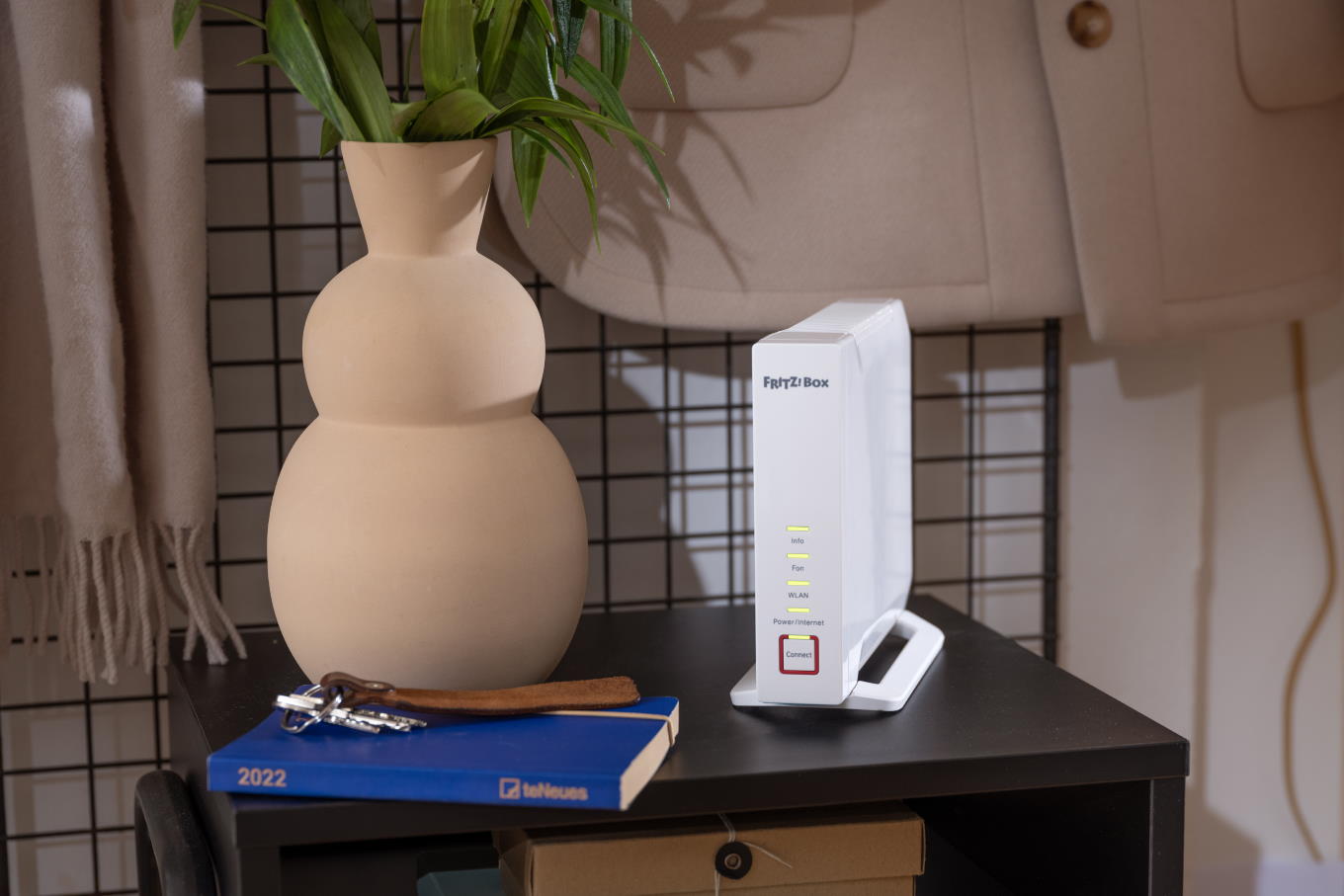
Supporting smart home wireless systems are mainly Wi-Fi, Bluetooth, Zigbee, Z-Wave and DECT. Each has its own advantages and disadvantages. For example, the first three operate in the already extremely crowded 2.4 GHz band. For this reason, a Wi Fi-based Smart Home can experience the same coverage and bandwidth issues that computers and phones sometimes face. Z-Wave technology does not have these problems, as it uses a band below 1 GHz, but it, in turn, is not approved for use in all countries, in addition, there may be compatibility problems with devices. Smart Home from under the FRITZ! primarily uses DECT technology (1900 MHz band), previously known for wireless telephony, characterized by good coverage due to easy coping with obstacles. Built in fRITZ routers!Box dECT base supports telephony and Smart Home system simultaneously. Due to the popularity of Zigbee-based home automation, the latest models of FRITZ routers!Boxes additionally support this technology, and a FRITZ gateway is being introduced to the market!Smart Gateway, supporting Zigbee.


